Lithuanian Chicago: neighbourhoods, parishes, bakeries and festivals
A practical guide to Lithuanian Chicago: the old South Side neighbourhoods, the parishes, the suburbs, bakeries and delis, museums and the festival calendar.
Ask anyone with Lithuanian grandparents in the United States where the community lives, and the answer usually starts with Chicago. The city and its suburbs have long been described as home to the largest Lithuanian community outside Lithuania, and you can still read that history in parish towers, street names and the smell of rye bread on a Saturday morning. What has changed is how people find it. A cousin visiting from Ohio or a family newly arrived from Kaunas is more likely to type "Lithuanian bakery near me" into a phone than to ask after Mass, so the family-run delis and bakeries of Illinois now depend on turning up in those searches, sometimes with help from a local firm such as Illinois SEO Company. This guide is for the visitor: the neighbourhoods, the parishes, the food and the festivals, and how to fit some of them into a weekend.
I grew up in the suburbs west of the city and spent my Saturdays at Lithuanian school, so some of this is memory as much as research. Where it matters, I have kept to what is on the public record.
The old South Side
The first large Lithuanian settlement in Chicago grew up in Bridgeport, along Halsted Street around 33rd Street, from the 1890s. People called it "Lithuanian Downtown". Most of the men worked in the stockyards and the factories nearby, which is why Upton Sinclair made the hero of The Jungle a Lithuanian immigrant. The parish of St George, the first Lithuanian parish in the Midwest, stood here. The church itself has since been demolished, but the street grid and many of the brick two-flats are the ones those families knew. For the fuller story with sources, the overview of Lithuanians in the Chicago area is a well-referenced place to start.
From Bridgeport the community spread south and west: Back of the Yards, Brighton Park, and later the streets around Marquette Park in Chicago Lawn. If you want one neighbourhood to walk, make it Marquette Park. In the park stands the monument to Steponas Darius and Stasys Girėnas, the two Lithuanian American pilots who died in 1933 trying to fly the Lituanica nonstop from New York to Kaunas. Nearby, a stretch of 69th Street carries the honorary name Lithuanian Plaza Court, and the area around it still holds institutions that grew out of the community, including the Sisters of St Casimir motherhouse and the Lithuanian Youth Center (Jaunimo centras).
The near western suburb of Cicero had its own Lithuanian enclave, centred on St Anthony's parish. If your family story mentions Cicero rather than Chicago, that is probably why.
For the longer background of who came when and why, our piece on the waves of Lithuanian emigration sets the Chicago story in context.
The parishes
Lithuanian immigrants built some of the most striking churches in the Archdiocese of Chicago as national parishes, where the sermons, the hymns and the parish societies were in Lithuanian. Three are worth seeing from the outside even if you do not attend a service:
- Holy Cross in Back of the Yards, with its twin towers.
- Nativity of the Blessed Virgin Mary near Marquette Park, dedicated to Our Lady of Šiluva, the Marian shrine in western Lithuania.
- Providence of God, on the Lower West Side.
Parish life has changed a great deal as families moved out, and Mass times and languages change too. Check the parish's own page before you travel if you want to hear a Lithuanian-language Mass.
The suburbs: where most families live now
Over the second half of the twentieth century, and again after 1990, Lithuanian life moved out along the highways to the south-western and western suburbs. Lemont, Darien, Homer Glen and Woodridge have the largest concentration of newer arrivals, and towns such as Oak Lawn, Downers Grove and Naperville have their share.
The centre of gravity in the suburbs is the Lithuanian World Center (Pasaulio lietuvių centras) in Lemont. It houses a church, a Saturday school, sports clubs, scouts, a folk art gallery and halls that are booked most weekends for concerts, dances, christenings and fundraisers. If you only have one afternoon, it is a good place to see what a working diaspora community looks like rather than a museum of one. The Saturday school model you find there is the same one that runs in Toronto, Dublin or Melbourne, only larger.
Bakeries, delis and what to buy
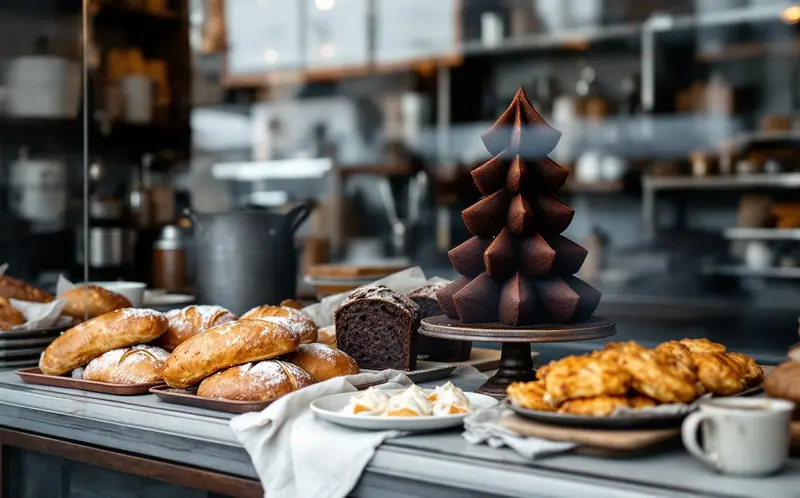
The Lithuanian food trade in Illinois is mostly small and family-run: bakeries, delis and grocery counters in the suburbs, a few restaurants, and shelves of imported goods in larger Eastern European supermarkets. They change hands and open or close from year to year, so rather than a list of names, here is what to look for and what to buy once you are through the door.
| What | Lithuanian name | Notes |
|---|---|---|
| Dark rye bread | juoda duona | Dense, slightly sweet, often with caraway. Buy a whole loaf. |
| Tree cake | šakotis | Baked on a turning spit, sold whole or by the piece for celebrations. |
| Smoked sausage | skilandis | Hard, dry and thinly sliced, eaten with rye bread. |
| Potato pudding | kugelis | Sold by the tray at many delis, reheats well. |
| Potato dumplings | cepelinai | Often frozen, filled with meat or curd cheese. |
| Curd cheese bars | varškės sūreliai | Chocolate-coated sweet curd, from the chiller cabinet. |
| Baked pastries | kibinai | Filled half-moon pastries from the Trakai tradition. |
Two small signs tell you that a shop serves the community rather than just stocking a few imports: a pile of Lithuanian newspapers by the till, and handwritten notices for concerts, dances and Saturday school events taped to the door. Draugas, the Lithuanian Catholic newspaper published in Chicago for more than a century, still carries community listings and is a good way to find out what is on during your visit.
If you are visiting in late autumn, ask about Christmas Eve orders. Bakeries that serve the community take orders for the small poppy seed biscuits (kūčiukai) and other dishes for Kūčios, the Christmas Eve supper, and the busiest weeks are the ones just before it.
Museums and archives
Two collections are worth planning around:
- The Balzekas Museum of Lithuanian Culture, opened in 1966 on the South West Side, with folk art, amber, textiles, maps and resources for family research.
- The Lithuanian Research and Studies Center, whose museum and archives operate at the Lithuanian Youth Center. Its holdings of diaspora newspapers, parish records and personal papers make it one of the more useful stops for anyone tracing a family.
The Lithuanian Folk Art Institute's gallery at the World Center in Lemont has woodcarving, weaving and traditional dress. Opening hours at all three are limited, so check before you go and, for archive work, write ahead.
The festival calendar
Lithuanian Chicago follows the same calendar as the rest of the diaspora, with more of everything:
- February 16, the restoration of the Lithuanian state in 1918, marked with concerts, speeches and flag raisings in the city and the suburbs.
- Užgavėnės, the Shrovetide carnival before Lent, with masks, pancakes and the burning of the winter figure Morė.
- Kaziuko mugė, the St Casimir's fair around early March, usually organised by the scouts, with crafts, wooden toys, baked goods and verbos, the dried flower and grass palms for Palm Sunday.
- Summer picnics and the folk dance and song festivals, which come round every few years. The first North American Lithuanian Song Festival was held in Chicago.
- Vėlinės in early November, when families visit graves at St Casimir Lithuanian Cemetery and other cemeteries on the South Side.
- Kūčios on December 24, mostly at home, with parish and community suppers for those without family nearby.
A sample weekend
| When | Where | What |
|---|---|---|
| Saturday morning | Marquette Park | Walk past the Darius and Girėnas monument, Nativity BVM and Lithuanian Plaza Court. |
| Saturday midday | South West Side | Balzekas Museum, then lunch at a Lithuanian or Eastern European restaurant. |
| Saturday afternoon | Back of the Yards and Bridgeport | Holy Cross from the outside, then Halsted Street around 33rd. |
| Sunday morning | Lemont | Mass or a walk around the World Center, then a suburban bakery for bread and šakotis. |
You will see more of the community at any of the community circle events than on any sightseeing route. If a concert, a scouts' fair or a parish supper is on during your visit, go to that first and fit the buildings around it.

Ieva Strazdas
Ieva grew up in the Chicago suburbs, spent twelve years of Saturdays at a Lithuanian school and now teaches her own two children the language at the kitchen table. She writes about language, learning and bilingual family life.