
What a bathroom remodel looks like in a family between two countries
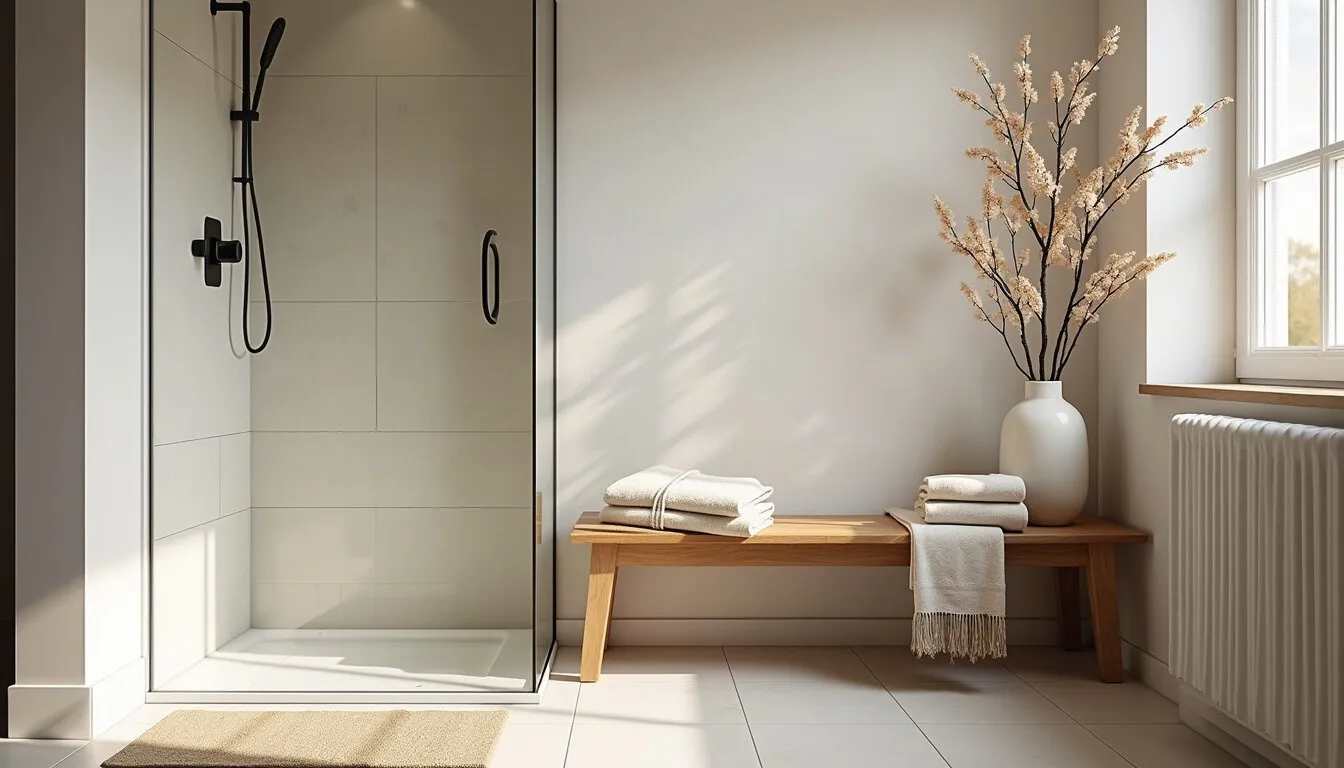
Planning a bathroom for grandparents, visiting cousins and bath-time children: the questions a family between two countries should settle first.
My children learned the word vonia before they learned "bathroom", because in Lithuanian the same word covers both the bath and the room it sits in. It is a small thing, but it says a lot about how differently two households can think about the same space, and it comes up every time a family between two countries decides to remodel one.
Say your parents have retired to the Arizona sun and want the bathroom redone before the grandchildren start visiting every winter. Remodelling companies describe their work on their own sites, and pages from firms such as Toscani Interior Services Arizona usually cover what a higher-end bathroom project involves. This piece is about the family side: what the room needs to do, what to decide together and how to plan it around everyone's routines.
What the room has to do for a family between two countries
A bathroom in a house that hosts visitors from Lithuania, or grandparents who stay for weeks, has more jobs than most. It has to work for small children at bath time, for older relatives who may be less steady on their feet, and for a crowd on the morning of a christening or a family wedding, when everyone needs the mirror at once.
There is also the matter of habits. Older relatives raised in Lithuanian flats often grew up with a small, practical bathroom where the bath doubled as a laundry tub and a place to soak tired feet after a day on the allotment. Others grew up with the pirtis, the wood-fired bathhouse, where washing was a slow and social affair, with steam, birch whisks and a cold plunge afterwards. Neither expectation maps neatly onto an American master bath, and it is worth asking out loud what each generation actually wants from the room before anyone talks about tiles.
In a hot, dry climate like the Phoenix area, a few extra things come into play. Cool surfaces feel good for most of the year. Ventilation still matters, because a shower used by six people in one morning makes steam whatever the weather outside. And water use is something many households in the desert think about carefully.
Then there is the look of the room, which is where families often surprise themselves. Some want the bathroom to feel like a hotel they remember from a trip. Others want something that quietly echoes home: natural wood, linen towels, the pale colours of a Baltic beach. A remodel is a good moment to decide whether the room should simply work well or also say something about the family that lives there. Both are fine answers, but it helps to agree on one.
Questions to settle at the kitchen table
Most of the arguments in a remodel happen because nobody asked the questions early. At our house, decisions like this get made at the same table where the children do their Saturday school homework, which keeps everyone honest. Here is a short list to work through before you meet anyone:
- Bath, shower or both? Children usually want a bath. Grandparents often find a walk-in shower easier. If there is only room for one, decide whose needs come first, and whether a second bathroom can take up the slack.
- Who uses it most, and when? A room used by two retired adults every day and a visiting family twice a year is a different room from a busy family bathroom.
- What about safety? Grab bars, a seat in the shower, non-slip floors and good lighting can be designed in from the start so they look like part of the room rather than an afterthought.
- How much storage? Visitors bring toiletry bags. Children bring bath toys. Somewhere has to hold the towels for twelve.
- How long can the house live without it? If there is only one bathroom, the timing of the work matters as much as the design.
Write the answers down. When you meet a designer or contractor, you will have a brief rather than a vague wish.
Two-country note: In many Lithuanian homes the bathroom is small and the toilet is in a separate little room of its own, which visitors from abroad find odd at first and then rather sensible when the house is full. The pirtis tradition lives on at country houses, where friends still gather for an evening of steam and conversation. A guest from Lithuania may well ask whether your new bathroom has room for a sauna, and they will only be half joking.
Working with a remodelling company
A good remodelling firm will begin by listening. Expect questions about who uses the room, how you like to wash, what bothers you about the current bathroom, and what you hope it will feel like. If the first conversation is all about products and nothing about your household, that is worth noticing.
For a higher-end bathroom, the work often involves design as much as construction: layout changes, custom features, and choices about materials and finishes. Ask how they handle design decisions and how they present them, whether through drawings, samples or visits. Ask who your contact will be during the work and how often you will hear from them.
Plumbing and electrical changes are work for licensed professionals, and a reputable company will handle them properly and arrange any permits the job needs. If you are unsure what your city requires, the local building department can tell you. It is not something to improvise.
A practical point for families split across time zones: if decisions will involve a son or daughter in Chicago and parents in Arizona, agree early who has the final say. Contractors work best with one clear voice, and family group chats are not famous for producing those.
Before you sign anything, ask a few plain questions. How long do they expect the work to take, and what usually causes delays? How will they protect the rest of the house from dust? What happens if they open a wall and find something nobody expected? A company that answers calmly and in plain English, without promising that nothing can go wrong, is usually a company that has done this many times before.
What it asks of the household
I will not try to put a figure on any of this. Prices depend on the room, the design and the materials, and only a proper quote can answer that. What I can talk about is effort.
There is the effort of deciding, which takes longer than anyone expects. There is the disruption while the work goes on: noise, dust, workers in the house, and, if it is the only bathroom, a plan for where everyone will wash. And there is the effort of staying in touch with the project, answering questions and making the small decisions that come up along the way.
Timing helps a great deal. If the grandchildren arrive every winter, the work should be finished well before then, with some slack for the unexpected. Nobody wants to explain to a five-year-old just off a long flight that the bath is still in the garage.
It also helps to think about the children's routine. In our house, the bathroom is part of the bedtime ritual, and the words we use there (muilas for soap, rankšluostis for towel, dantų šepetėlis for the toothbrush) are among the first Lithuanian words the children ever used. If small children will use the new room, involve them a little. Let them pick a towel colour or a bath mat. They will settle in faster.
For next time
Keep the decisions you made and the reasons for them in one folder, along with the details of everyone who worked on the room. Note which features the grandparents used and which they ignored after the first winter, because that tells you what to change if another room ever gets done. And teach the children the word vonia: it will come in handy when the cousins visit.

Ieva Strazdas
Ieva grew up in the Chicago suburbs, spent twelve years of Saturdays at a Lithuanian school and now teaches her own two children the language at the kitchen table. She writes about language, learning and bilingual family life.