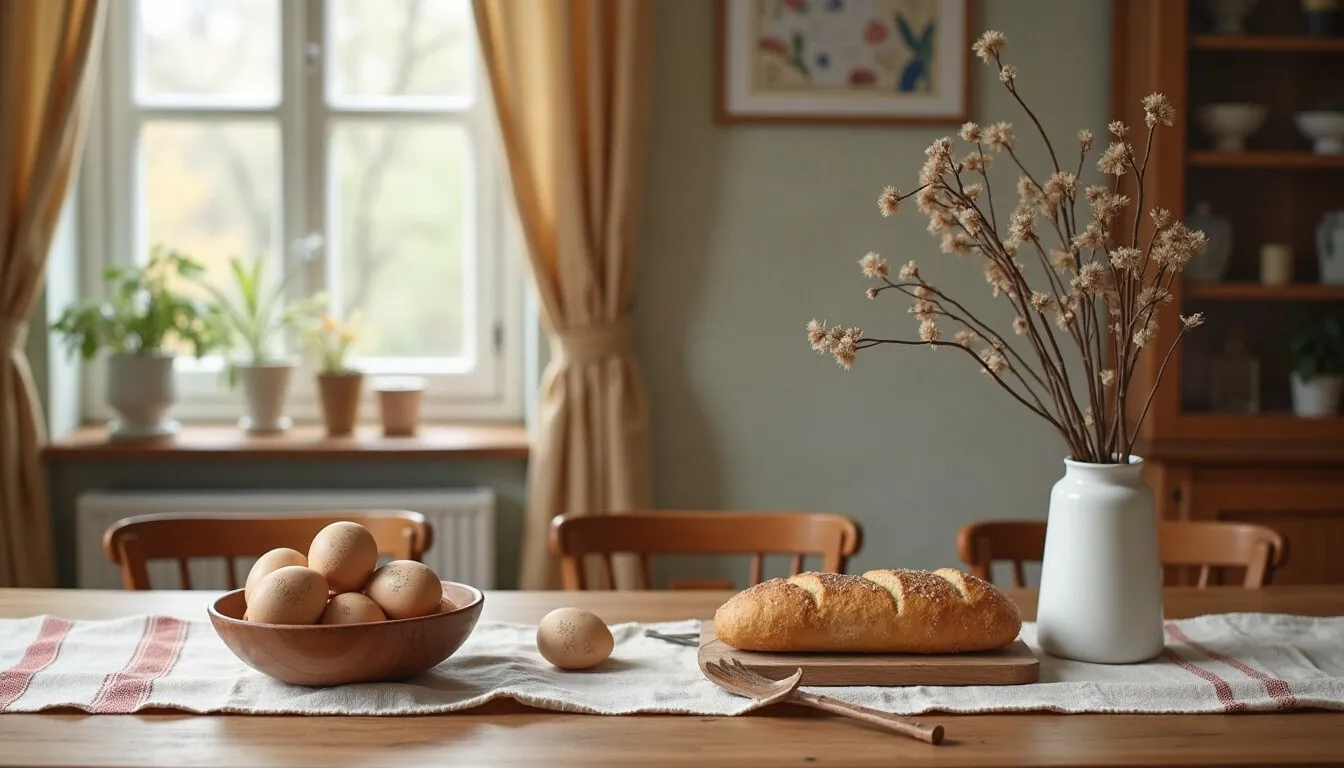
Getting the house ready for Kūčios when the mice reach the decorations first
Mice in the attic boxes before Kūčios: how a family hosting Christmas Eve can check the house, share out the jobs and keep the straw ornaments safe.
Every December the same scene plays out in houses all over the diaspora: someone climbs into the attic for the box of straw ornaments, the linen tablecloth and the hay that goes under it for Kūčios, the Christmas Eve supper, and comes back down holding a chewed corner of cardboard. Picture it in a family that moved to north Texas: two weeks to go, twelve dishes planned, fourteen guests, and a hole in the ornament box.
Mice in December are a hosting problem as much as a pest problem. From the small jobs you can do yourself to booking Flower Mound pest control, the work is mostly about timing. This piece covers what the season asks of the house, what to check, how to share the jobs out and what to write down for next year.
Why the mice turn up just before the holidays
In much of the American South the summers are long and hot and the winters are short and mild, and the cool nights still arrive. When they do, mice and rats look for the same things your guests do: warmth, food and a quiet corner. The attic, the garage and the gap behind the kitchen units are their first choice, and those happen to be exactly the places where a Lithuanian household keeps its Christmas.
Think about what sits up there for eleven months of the year. The šiaudinukai, the straw ornaments someone's grandmother taught the children to make, are dry grass and thread, which is nesting material by any other name. The hay for under the tablecloth is the same. The linen gets packed in a box that smells faintly of last year's supper. A mouse could not ask for a better winter flat.
So the first thing to understand is that the problem usually starts well before you notice it. The chewed box in December is the result of a few weeks of quiet visits, and the season of cooking that follows (poppy seed milk, herring, mushrooms, kūčiukai, the little biscuits that end up under every chair) is exactly what keeps them interested.
What to check before the guests arrive
Start a month out if you can. Walk round the house with a torch on a weekend afternoon and look rather than guess. You are looking for droppings along walls and inside cupboards, gnawed corners on boxes, shredded paper or insulation, greasy smudges along skirting boards and small gaps where pipes and cables come through the wall.
Pay most attention to the places where food is stored and prepared. The pantry or the shelf where the poppy seeds, flour, dried mushrooms and nuts live comes first: anything in a paper bag belongs in a glass jar or a tin with a tight lid. Then look under the sink and behind the cooker, where pipes come through the wall and gaps are common, and in the garage, especially if a second fridge or a freezer of holiday food lives there.
Bring the attic boxes down early and check them in good light rather than at the top of a ladder. Finally, walk round the outside of the house and look for gaps under doors, vents without screens and branches touching the roof, which make a handy bridge for anything that climbs.
If you find droppings, avoid sweeping them dry, which raises dust. Wear gloves, open a window, and if there is more than a little sign of activity, leave the cleaning and the trapping to someone who does it for a living. Rodents carry diseases, and a professional knows how to clean up safely, where to place traps or bait so that children and pets are not at risk, and which gaps really matter.
Who does what in a full house
The useful thing about a big family occasion is that there are plenty of hands, and the trick is to give them the right jobs. In our house in Manchester the rule has always been that whoever brings the chairs from the parish hall also checks the boiler, and I would add a third job now: whoever goes up for the decorations checks the boxes.
For a pest problem, the split looks something like this. The family can declutter the garage, move food into sealed containers, keep rubbish in bins with lids, clear leaves and woodpiles away from the walls and keep the kitchen floor swept during the days of cooking. That last one sounds obvious, but a house preparing for Kūčios produces a remarkable amount of crumbs.
The professional handles the rest: finding where the animals are getting in, deciding what traps or bait to use and where, sealing entry points properly and coming back to check. A good pest control company will usually start with an inspection, explain what it found and what it suggests, and tell you what you can do in the meantime. If someone recommends a plan you do not understand, ask them to walk you through it. A decent technician is happy to.
Two-country note: In a village house in Lithuania, mice in the barn or the pantry were simply part of winter, and older relatives may shrug when you mention them. Many family homes kept a cat for exactly this reason, and grains and flour lived in wooden chests or tins rather than paper sacks. The habit of storing dry goods in sealed containers is one worth keeping wherever you live.
What it costs in time and patience
Nobody can give you a price from a distance, and I will not try. What I can say is that the effort is front-loaded. The inspection and the first round of work take the most time, and after that it is mostly checking and small adjustments. If you leave it until the week before Christmas Eve, you will be doing it while also trying to soak herring and borrow extra plates, which is nobody's idea of a calm Advent.
There is also a disruption cost. Sealing gaps behind kitchen units can mean pulling out a cooker or emptying cupboards. Attic work means moving boxes. It helps to book the visit for a day when the house is still quiet and the kitchen is not yet full of pots.
A short checklist for the month before the supper:
- Book an inspection four or more weeks before guests arrive.
- Bring the decoration boxes down early and check them in daylight.
- Move dry goods into jars and tins with lids.
- Clear the garage floor and keep bins closed.
- Ask the technician what to watch for afterwards, and write it down.
- Plan a follow-up visit before the guests arrive, not during.
Keeping the decorations safe for next year
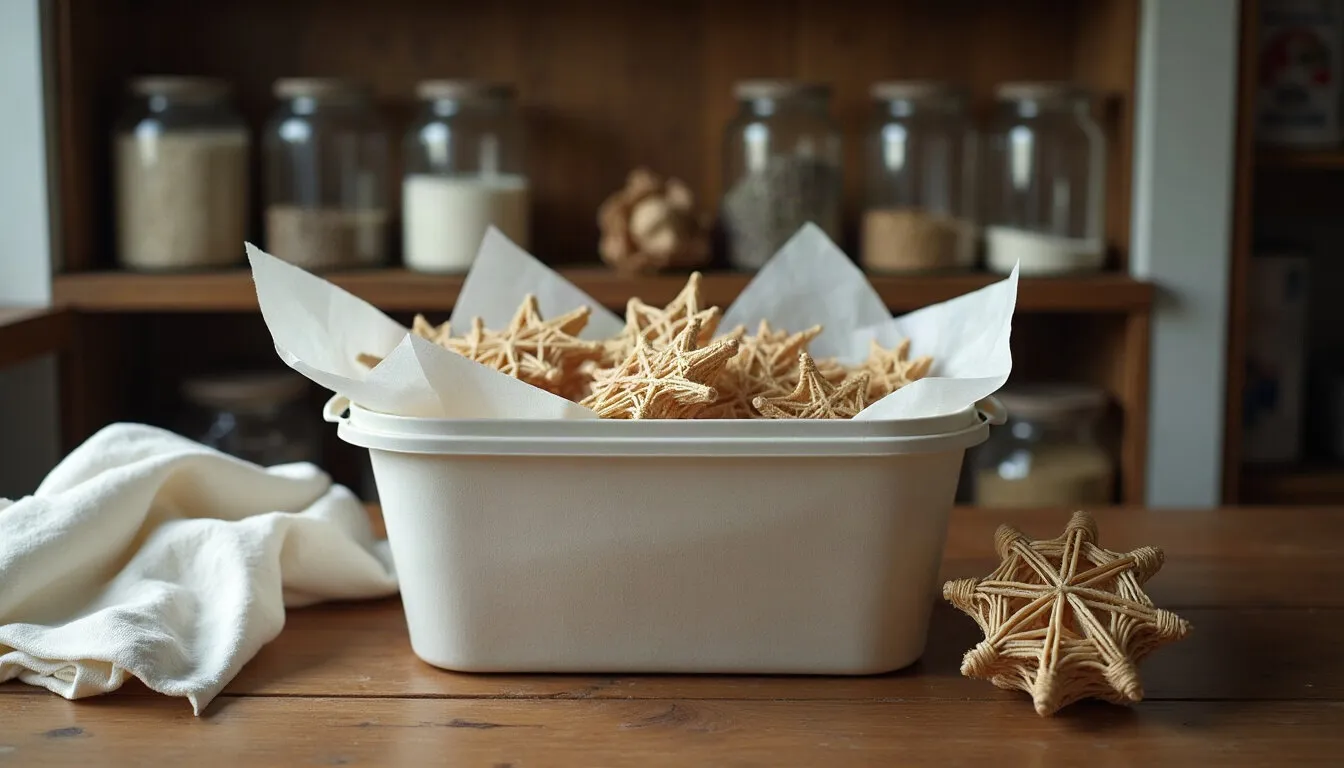
Once the problem is dealt with, the next job is making sure it does not start again in the same box. Straw ornaments keep best in rigid plastic tubs with tight lids, wrapped in tissue paper rather than newspaper. The linen tablecloth should be washed after the supper and stored dry, in a sealed bag or tub. The hay for under the cloth is better bought fresh each year than kept in the attic, where it becomes an open invitation.
If the attic stays a problem, consider moving the Christmas boxes to a cupboard inside the main living space, where it is warmer, drier and easier to check. It feels less traditional than the annual climb up the ladder, but the ornaments will thank you.
Children are surprisingly good at this part. In our weekend school days the older ones always wanted to be in charge of the ornament box, and giving them the job of checking it each autumn makes it part of the season rather than a chore.
For next time
Write down where the problem started, what the technician found and which gaps were sealed, and keep the note with the decoration boxes. Put a reminder in the calendar for early November to check the attic and book an inspection if anything looks wrong. Then the only thing anyone needs to climb into the attic for in December is the straw.

Agne Corrigan
Agne grew up in Klaipeda and has lived in Manchester for fifteen years, where she helps out at a weekend school and with community events. She writes about community life, travel and raising children between two cultures.