What a water heater repair looks like in a house that keeps the family archive
How to protect a trunk of family letters and photographs stored near the water heater, and how to plan a repair so the papers stay dry.
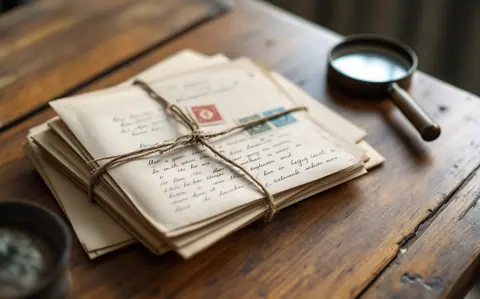
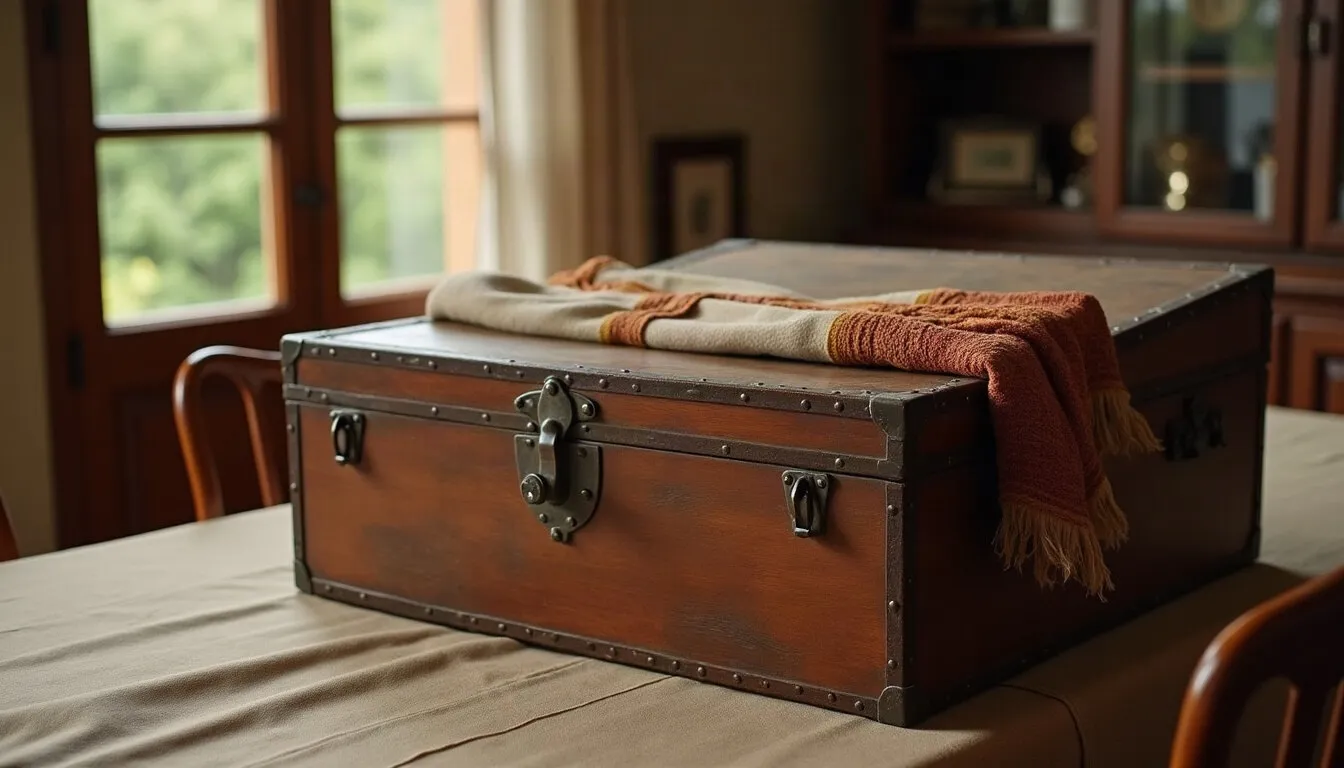
The trunk came to us by way of three houses. It crossed the Atlantic with a great-uncle and now sits in a cupboard in our house in Toronto, full of letters and a passport with a stamp nobody can quite read. The cupboard shares a wall with the water heater, which you only notice the day the floor feels damp.
Plenty of families keep their papers in the same awkward places: a utility closet, a garage shelf, the space under the stairs. For a household in New Mexico with the same arrangement, a page on the hot water heater repair Albuquerque homeowners book, alongside new installs and routine checks, is a sensible first stop. This article covers where the papers should live, what a tired water heater tends to look like, and how to plan the work so the trunk is never in the way.
Why the water heater and the family archive end up neighbours
Houses are built with one or two spaces that nobody wants to look at, and the water heater goes in one of them. So, very often, does everything else nobody wants to look at: the suitcase of old photographs, the box of emigrant newspapers a parish was clearing out, the folder of birth and baptism records someone once collected for a citizenship application. It is not carelessness. It is simply where the space is.
Earlier emigrants rarely had this problem in the same form. In the boarding houses and rented rooms many of them lived in, hot water came from a kettle or a boiler on the stove, and the papers lived in a trunk at the foot of the bed. The trunk was furniture. Now the trunk is storage, and storage drifts towards the corners of the house where the pipes are.
The trouble is that paper and water heaters want opposite things. Paper wants to be cool, dry, dark and left alone. A water heater is warm, holds a large amount of water, sits on the floor and, sooner or later, needs a person kneeling in front of it with tools. Put the two side by side and you have a small, quiet risk that grows every year the tank gets older.
What to look for before anything goes wrong
You do not need to understand how a water heater works to notice when it is not well. You only need to look at it now and then, the way you would glance at a window frame after a storm. A few signs are worth noticing and writing down:
- Damp or rust on the floor around the base, or a ring where water has dried.
- Rust on the outside of the tank or on the fittings at the top.
- Water that runs lukewarm sooner than it used to, or not at all.
- New noises: knocking, rumbling or popping when the heater runs.
- Discoloured or odd-smelling hot water at the taps.
- A pilot or heating element that keeps failing, if you hear the family complaining of cold showers.
None of these is a reason for the household to start taking things apart. Water heaters run on gas or electricity and hold water under pressure, and the checks that matter belong to a professional. What you can do is look, note what you saw and when, and call someone who does this work for a living. The note is useful: a technician can do more with "rust ring at the base, first seen in October" than with "it seems a bit off".
In Albuquerque, the high desert air is dry for much of the year, which is kind to paper in a way that a humid summer in Toronto is not. Dry air does not protect a cardboard box from a leaking tank, though. A slow drip that would leave a tell-tale musty smell in a damp climate can evaporate in a dry one and go unnoticed until the bottom of a box has quietly wicked it up.
Two-country note: In many Lithuanian apartment blocks, hot water has long come from a shared building or district system rather than a tank in each flat, so a family moving abroad can meet the private water heater for the first time in their new home. In village houses the older habit was water warmed on the stove or in the pirtis, the bathhouse, which kept the hot water well away from the room where the family's papers were kept.
Moving the papers before the technician arrives
When the repair is booked, the first job is yours, and it is the one that protects the family history. A technician needs room to kneel, set down tools, open panels and sometimes drain the tank. That is not a job anyone should do with a box of letters at their elbow. Here is the order we follow in our house:
- Clear a working space around the heater, wider than you think. A good company will tell you how much room they need if you ask when you book.
- Carry the boxes out flat and keep them level. Old paper in a damp box tears where the bottom sags, so lift from underneath.
- Check the bottom of every box as you move it. A soft or stained corner means you look inside that day, not next month.
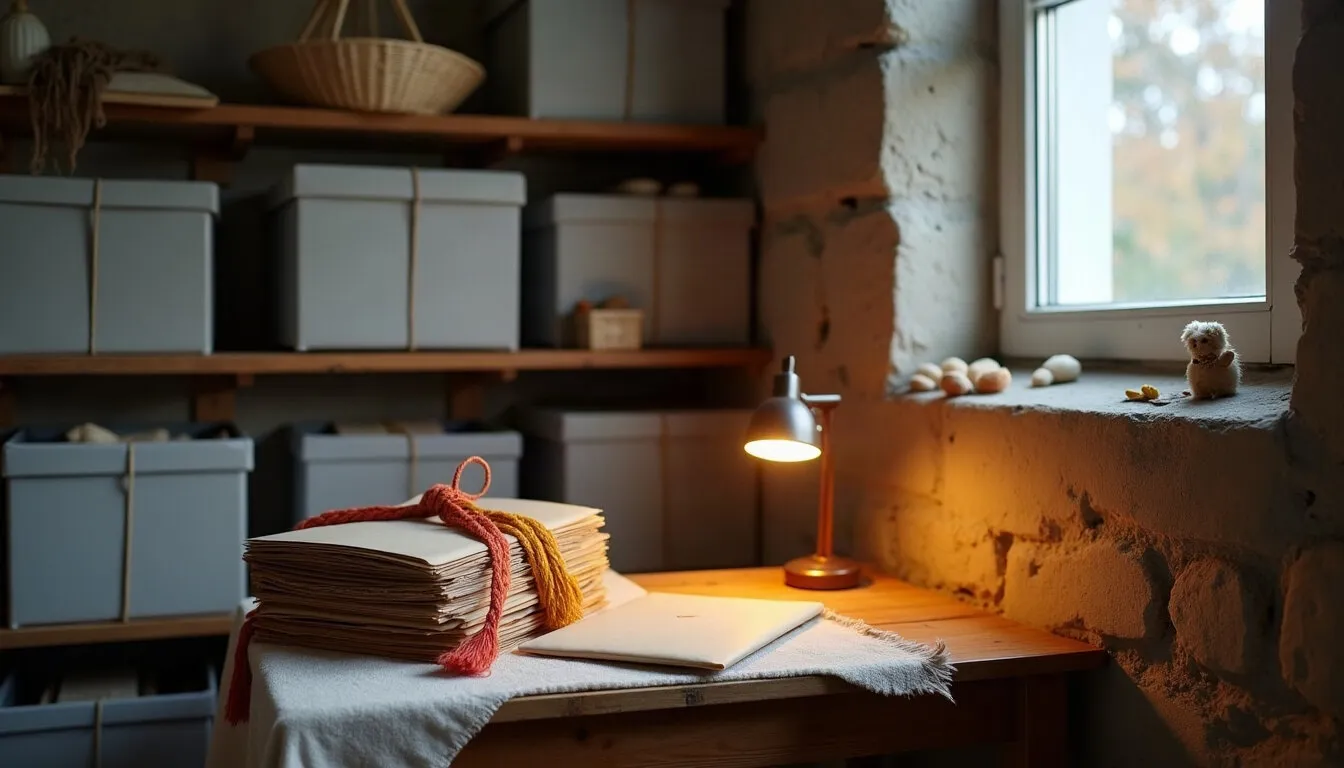
- Put the papers in a dry interior room, off the floor, away from windows and radiators. A bed or a dining table covered with a clean sheet will do for a few days.
- Separate anything damp and lay it out to dry slowly, in the shade, with air moving in the room. Never on a heater.
- Make a short list of what was in each box. You will want it when everything goes back.
The list is the part people skip, and it is the part you thank yourself for later. When my own family went through this, we found a bundle of letters we had all assumed were lost, tucked under a layer of cardboard that had turned soft at one corner. They were dry, just. That is the whole argument for looking.
Talking to the company and planning the work
Once the space is clear, the conversation with the company is straightforward. Describe what you have seen, show them your note and let them examine the heater. A good technician will explain what they found in plain words, say whether it is a repair or a sign that the tank is nearing the end, and talk you through what each option would involve. Ask them, too, whether anything about where the heater sits, or what is stored near it, should change.
That last question matters for a household with an archive. Some practical points tend to come up in this kind of conversation:
Where the water would go
If the tank ever failed, where would the water run? Towards the cupboard with the trunk, or towards a drain? It is worth asking whether anything can be done about that, and it is a question for the professional, not a weekend project.
What can live nearby
Some things can safely share a utility space and some cannot. Cardboard on the floor beside a tank is a poor idea under any circumstances. Ask what clearance the technician would want kept around the heater, and treat that space as permanently empty.
How the repair affects the household
A repair may mean a few hours, or a day, without hot water. If relatives are staying, or a holiday supper is planned, tell the company when you book and ask what timing works. Christmas Eve is a poor day to find out that the hot water has gone.
The effort for the household is mostly before and after: clearing the space, moving the boxes, putting them back properly. The technical work in the middle is the company's, and it is better that way.
Giving the papers a better home
When the work is done, resist the temptation to put the boxes straight back where they were. The repair is the best chance you will have in years to move the family archive somewhere sensible. Papers do best in a room people live in: an interior closet on a main floor, a shelf in a bedroom wardrobe, a cupboard in the hall. Not the basement, not the garage, not beside anything that holds water.
If you can, swap the old cardboard for sturdier boxes with lids and keep them up on a shelf rather than on the floor. Keep photographs and letters flat, and slip the most important documents into folders so they are not rubbing against each other. None of this needs to be expensive or elaborate. Earlier emigrants managed with a single trunk and a dry room, and the principle has not changed: keep paper off the floor, away from water and out of the light.
It also helps to tell the rest of the family where everything now lives. A trunk that only one person can find is one house move away from being lost again.
For next time
Write the date of the repair and what was done on an index card, and keep it with the list of what is in each box. Next autumn, before the heating season and the winter visitors, take five minutes to look at the floor around the heater and the bottom of the nearest shelf. If anything has changed, book the company early, and move the papers before they arrive.

Linas Margevicius
Linas lives in Toronto and has spent many winters in parish basements and reading rooms leafing through emigrant newspapers. He writes about diaspora history, archives and the press.