Getting the house ready for a winter visit from Lithuania
How to get the heating, the guest room and the whole family ready before relatives from Lithuania arrive for a long winter stay in a cold climate.
The email from my mother arrived on a Tuesday evening, between a spelling sheet and a plate of reheated cepelinai (potato dumplings): she and my aunt had booked flights from Vilnius and would stay with us for most of January. The children cheered. I looked at the hallway vent and wondered when anyone had last asked the furnace how it was feeling.
Say your family lives in Castle Rock, Colorado, with its cold nights and bright dry winter days. If you're researching heating help in town, one local option is Alpha Air Heating & Cooling, whose pages cover furnace repair, maintenance and replacement as well as ductless mini splits. This article is the plan we use when guests from Lithuania come for a long winter stay: what the house needs, what to check, how to share the jobs and what to note for next year.
What a long winter visit asks of the house
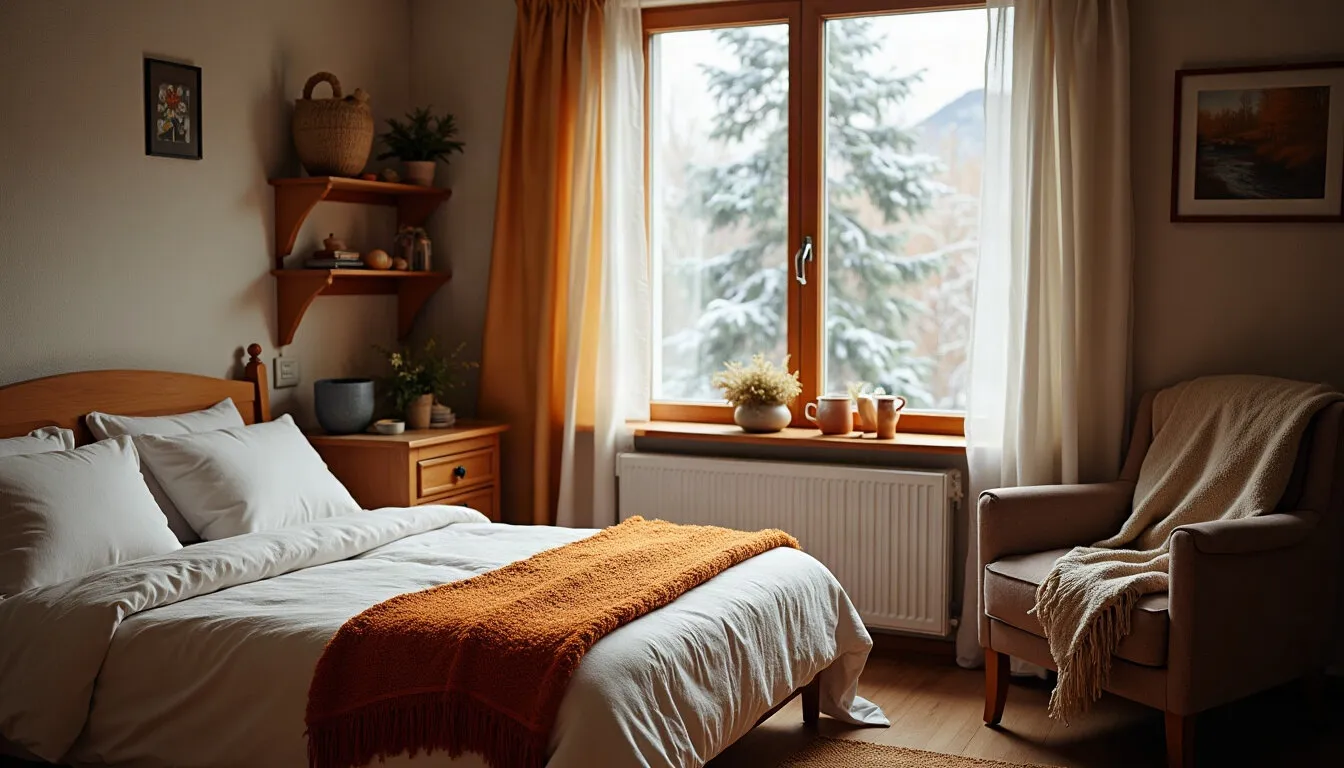
A weekend guest notices very little. A month-long guest lives in your house the way you do, only more so. My mother wakes before six, makes tea in the dark and sits by the window with a blanket over her knees. My aunt likes to read in the spare room in the afternoon with the door shut. Neither of them will say they are cold. They will simply put on a second cardigan and look meaningfully at the radiator that we do not have.
So the house has to work harder in the corners it usually ignores. The spare room over the garage, which we heat about twice a year, suddenly needs to be comfortable from morning to night. The furnace runs longer, with more people opening the front door, more showers and more laundry. Older relatives often feel the cold more than we do, and they are less likely to complain about it, which is exactly why it is worth getting right before they land.
In our house the Lithuanian word for this season is šildymas, heating, and my children have learned it mostly from hearing me say it into the phone. It is a good word for a seven-year-old: it sounds like what it means.
What to check four to six weeks before the flight
The best time to look at the heating is well before the guests arrive, when the house is quiet and an appointment can be fitted around school runs rather than squeezed in on the day of an airport pickup. I keep a short list on the fridge, next to the Saturday school timetable.
- Walk every room at night. On a cold evening, stand in each bedroom for a few minutes, especially the guest room. Notice draughts, cold floors, rooms that never quite warm up and vents that barely move air.
- Listen to the furnace. You know its normal sounds. New rattles, bangs, squeals or a burner that starts and stops more often than it used to are worth mentioning to a professional, not investigating yourself.
- Change or check the air filter. This is the one job most households do themselves, following the instructions for their own system. A clogged filter makes everything work harder.
- Clear around the vents and returns. Children's toy boxes, a sofa pushed back too far, a rug over a floor register: we have had all three.
- Book a professional check. A furnace inspection is a job for a trained technician. They look at the burner, the heat exchanger, the venting and the safety controls, and they test the carbon monoxide side of things in ways no homeowner should attempt.
- Test your carbon monoxide and smoke alarms. Replace batteries where needed. With extra people sleeping in the house, this matters more than any other item on the list.
A good heating company will tell you plainly whether the furnace is fine, needs a repair or is reaching the point where replacement makes more sense. Ask them to explain what they found in words you could repeat to your partner over dinner. If the answer is replacement, you want to know that in early December, not on the evening your mother arrives.
The cold room problem, and what people use to solve it
Two-country note: In many Lithuanian homes, especially in apartment blocks, heat comes from a district system and the radiators simply come on in autumn, so a visiting grandparent may never have adjusted a thermostat in their life. Village houses are another matter, with stoves and fires that someone has to tend. Either way, expect your guests to find a forced-air system unfamiliar, and show them where the controls are on the first evening.
Almost every house has one room that runs colder than the rest. In ours it is the room over the garage, which is exactly where the guests sleep. Before you assume the furnace is the problem, have someone look at the whole picture: insulation, the ducts that serve that room, gaps around the window and whether the system is sized for the house.
Sometimes the answer is a simple adjustment. Sometimes it is a bigger conversation. Ductless mini splits are one option people ask about for rooms like this, because they heat (and later cool) a single room without relying on long duct runs. Whether that suits your house is a question for the technician who has actually seen it, not for a magazine column. What I can say is that it helps to arrive at the appointment with your notes from the night walk: which rooms, what time of day, how cold it felt.
Do not plug in a stack of portable heaters as a quiet fix. Older guests may leave them running overnight near bedding or curtains, and an extension lead under a rug is a hazard nobody needs in a full house.
Who does what in the weeks before
Sharing the work out is half the battle. In our house it looks something like this.
- The adults: book the heating check, be home for it, and ask the questions. Decide in advance how much you are willing to spend on a repair before you would rather replace, so the conversation does not catch you off guard.
- The older child: walks the rooms with me on the cold evening and writes down what we find, half in English and half in Lithuanian. It counts as homework, and the list ends up surprisingly good.
- The younger child: checks that nothing is sitting on a floor vent, every Saturday after school, and reports back with great seriousness.
- The guests themselves: once they arrive, a short tour of the controls, where the spare blankets live and who to wake if something sounds wrong at night.
As for the effort, a furnace check takes a morning at most. A repair might take a return visit if parts need ordering, which is another reason to start early. A replacement is a larger project that needs planning and a clear quote, and it is far easier to organise in a calm November than in a January full of relatives. I have learned not to guess at costs for any of it: ask for a written estimate and compare it with what you expected.
Living with a full, warm house
Once the guests arrive, the heating becomes part of the daily routine without anyone saying so. My mother opens the kitchen window for a minute every morning, a Lithuanian habit for fresh air that she will not give up, and the furnace kicks in shortly afterwards. We have stopped arguing about it. Instead we keep the window opening short and the interior doors open during the day, so warm air moves through the house.
A few small things help:
- Keep the guest room door open for an hour before bedtime so it warms with the rest of the house.
- Put a draught stopper at the bottom of the door to the garage or basement.
- Draw curtains as soon as it gets dark; open them on sunny days, which Colorado has plenty of even in winter.
- Keep the humidifier, if you use one, clean and running in the dry months. Visitors from a damper climate often notice the dry air first, in their throats and on their skin.
And if the furnace does stop in the middle of the visit, do not try to fix it yourself. Make sure everyone is warm and safe, check that the carbon monoxide alarm is quiet, and call a professional.
For next time
When the guests have gone home, write down three things: when the furnace was last checked, which rooms ran cold, and what the technician recommended. Put the note in the same folder as the flight confirmations, and book the next check before the next visit is even confirmed. The children can keep the vent patrol going every Saturday until then.

Ieva Strazdas
Ieva grew up in the Chicago suburbs, spent twelve years of Saturdays at a Lithuanian school and now teaches her own two children the language at the kitchen table. She writes about language, learning and bilingual family life.