A winter week in Florida with the cousins from Lithuania: a practical plan
Cousins from Lithuania want a proper wave: how to plan a family day at a wave pool, share out the jobs and turn it into easy language practice.
The Baltic is a beautiful sea, but nobody would call it a surfer's sea. Say your children's cousins from Klaipėda come to stay for a few winter weeks. They have spent every summer on the cold, wide beaches of the Lithuanian coast, jumping small grey waves and running back to the towels, and on the first evening they announce what they want from America: a proper wave.
Planning a day at a Florida wave pool is easier when you treat it like any other family trip: a few weeks of preparation, a clear plan for the day and a routine everyone can follow. This piece covers how we would organise a winter week in Florida with visiting cousins, built around one day in the water, and what to keep for the next visit.
What a visit from the cousins asks of a family
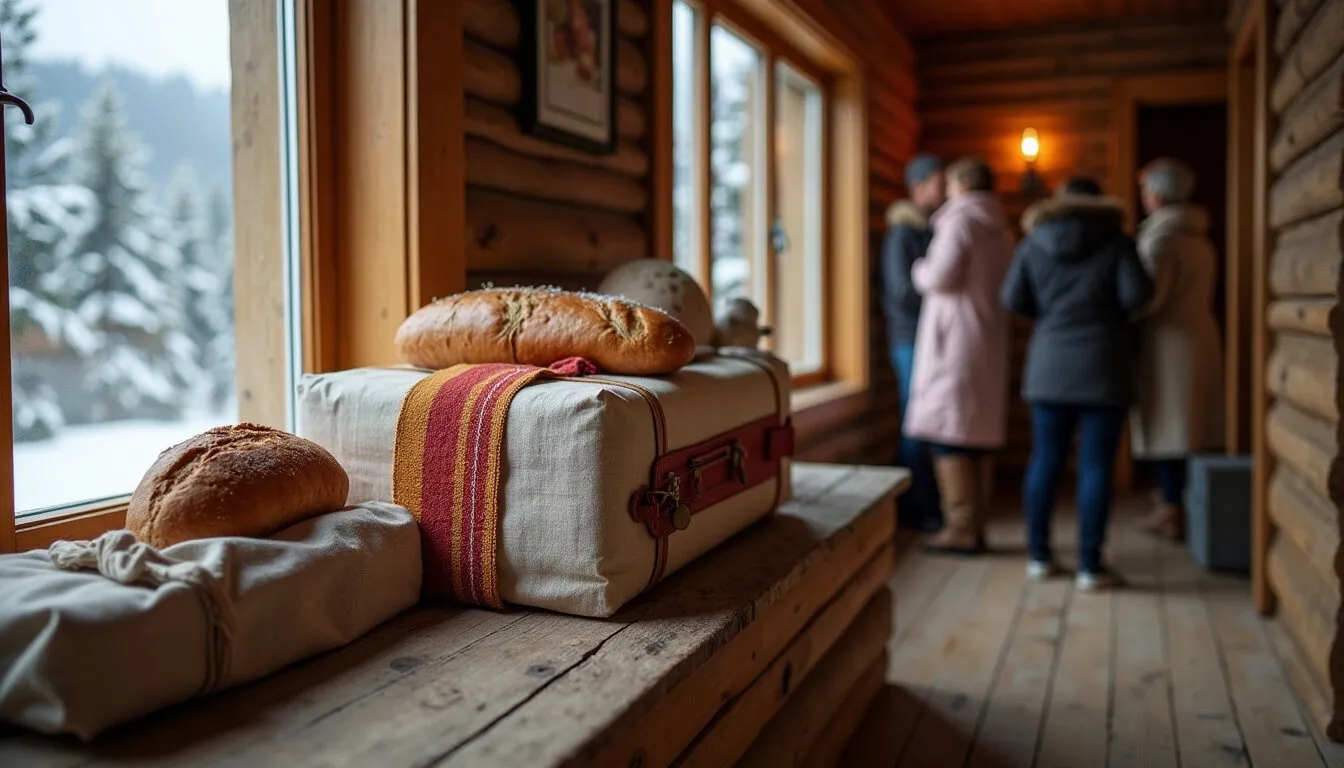
When relatives from Lithuania come for a few weeks, the house changes shape. Extra beds appear in the study. The kitchen runs on a different timetable, because jet lag means someone is always hungry at three in the morning. And the children, who usually speak English to each other within a day, suddenly have a reason to use their Lithuanian, because the youngest cousin does not have much English yet.
A trip south in the middle of a northern winter is a natural fit for a visit like that. Families in Chicago, Cleveland or Toronto often escape the grey months for a week in Florida anyway, and a visit from the cousins is a good excuse. Florida is warm, sunny and often humid, even in winter, which feels like a different planet after a Lithuanian January.
There is also the question of where everyone sleeps on the trip itself. A week away with two families means either a rented house with enough beds or two hotel rooms side by side, and the choice changes the shape of the week. A house means shared breakfasts and a kitchen for the cousins who miss rye bread. Hotel rooms mean less cooking and more negotiation about who sleeps where. Decide early, because it affects everything else, from the driving to the budget.
The practical question is how to turn "we want to surf" into a day that works for children of different ages, with different levels of swimming and confidence, and with adults who may never have stood on a board.
Planning the day in the water
A wave pool is a very different thing from the open sea. The waves are made rather than found, which means they are predictable, and that is exactly what makes them useful for beginners and for families. There are fewer of the unknowns that come with the open sea, such as changing tides and currents. But a day like this still needs a plan, and I like to make one with the children, at the kitchen table, so everyone knows what to expect.
Here is the order we would follow:
- Look at the park's own information well before the trip. What sessions are offered, whether there are lessons for beginners and children, what the age and swimming requirements are, and what needs booking in advance.
- Be honest about swimming ability. Every child who goes in the water should be a confident swimmer for their age. If one is not, choose a gentler activity for them, or start with a lesson.
- Book lessons for the beginners. Learning to stand up on a board is much easier with a coach than with an enthusiastic uncle shouting from the side.
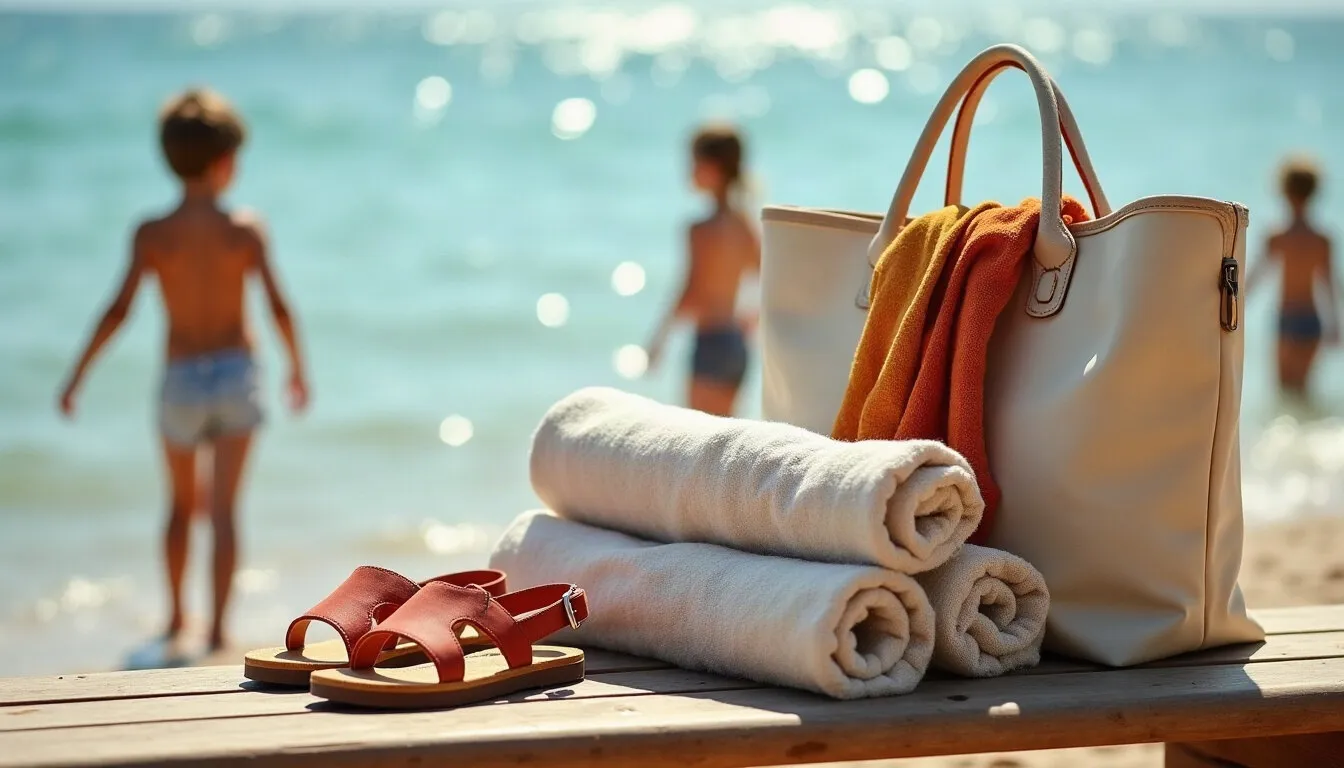
- Pack the night before. Swimsuits, towels, sun protection, water bottles, a change of clothes and something warm for afterwards.
- Plan the meals. Hungry children do not surf well, and tired adults do not drive well.
- Agree on a meeting point and a time to leave. This matters more than you think with five children and three adults.
Florida's sun is strong all year, and the afternoons can be hot and humid. Sun protection, shade and water are not optional, and anyone with a health condition should check with their own doctor before a long day of exercise in the heat.
Think too about the people who will not be surfing. A grandparent who came along for the sunshine, a toddler who is too small for the water, a teenager who decided at breakfast that surfing is embarrassing: each of them needs something to do and somewhere comfortable to do it. A shady spot, a book, snacks and a clear view of the water go a long way. It is worth checking what the park offers for spectators and families before you go, so nobody spends three hours standing in the sun.
Two-country note: Lithuanian children grow up on the beaches of Palanga, Nida and Šventoji, where the sea is cold, the sand is fine and the dunes are protected. A summer at the coast is a fixture of family life, but surfing is a minority sport there, because the waves are usually small and the water is chilly for much of the year. For a child from Klaipėda, a wave that arrives on schedule and in warm water feels like a small miracle.
Words for the water
This is the part of any family trip I enjoy most, because it is where the language comes in naturally. A day in the water is full of short words that children pick up without trying.
Banga is a wave. Jūra is the sea, and ežeras a lake. Lenta is a board, which also means a plank or a blackboard, a fact my own children found very funny. Plaukti is to swim, and stovėti is to stand, which is the whole point of surfing. Atsargiai means "carefully", and it is a word every parent learns to say a great many times on a day like this.
We make a little game of it in the car on the way there. Each child chooses three words for the day, and by the evening they have to have used them in a sentence. The cousins help the American children, and the American children help the cousins with the English words they need for the instructors. It is the best kind of bilingual practice: nobody notices it is happening.
Who does what, and what it costs in effort
A family outing with visitors works best when the jobs are shared out in advance. One adult handles the bookings and the timings. Another is in charge of food. Someone needs to watch the children who are not in the water at any given moment. And someone, ideally, should take a few photographs so the cousins can show their parents back home.
I will not guess at prices, which depend on the park, the sessions and the season. What I can say is that the effort is mostly in the planning. Booking early matters, especially during school holidays, and so does building rest into the week. A day of surfing is tiring, and children who have flown across an ocean are already tired. Put the wave pool day in the middle of the visit, not the first day, and leave the following morning free.
It also helps to keep expectations reasonable. Not every child will stand up on a board on the first try, and that is fine. The cousins will remember the warm water, the sound of the wave arriving and the ice cream afterwards much more than whether they managed a turn.
Before the next visit
Write down what worked: which sessions suited which children, what you wish you had packed and how long everyone lasted before they needed a break. Keep the list with the family's travel notes, and add the new words each child learned. When the cousins come back, the plan is already half made, and the children will want to know whether banga is still their favourite word.

Ieva Strazdas
Ieva grew up in the Chicago suburbs, spent twelve years of Saturdays at a Lithuanian school and now teaches her own two children the language at the kitchen table. She writes about language, learning and bilingual family life.